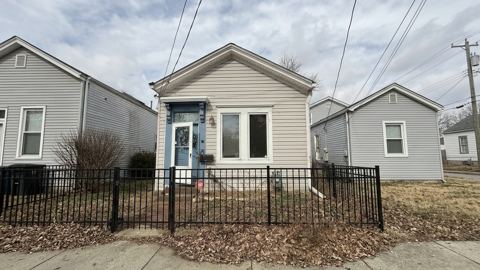
A Louisville Metro code enforcement notice can feel like the end of your options, but it usually isn't. Whether it's an overgrown lot violation, a structural citation from Metro's Codes and Regulations department, or an accumulated fine that's turned into a lien on the property, you can still sell a house with code violations - you just need to understand how the violation affects the sale and which path gets you out from under it fastest.
How Louisville Metro code enforcement actually works
Louisville Metro's Codes & Regulations department issues citations for issues ranging from minor (tall grass, trash accumulation, peeling exterior paint) to serious (structural hazards, unsafe electrical, vacant and open buildings). If a citation isn't addressed by the compliance deadline, the city can levy daily fines that add up quickly, and in some cases those unpaid fines convert into a lien recorded against the property. That lien has to be resolved - paid, negotiated, or otherwise addressed - before or at closing, because it's attached to the property itself, not just to you personally, and title companies will flag it during a title search.
What a code violation lien means for your sale
- It shows up in the title search. Any buyer's title company will find recorded liens, and most lenders won't close a financed purchase until liens are cleared or an agreed payoff is arranged from proceeds.
- It doesn't necessarily block a sale. Liens are commonly paid off at closing directly from sale proceeds, the same way a mortgage payoff is handled - it just needs to be accounted for in the settlement statement.
- Open, unresolved violations (not yet liened) can still scare off retail buyers and their lenders, even before any fine becomes a formal lien, because an active citation raises red flags during underwriting.
- Interest and additional fines can keep accruing the longer a violation sits unresolved, so time works against you the longer you wait to act.
Your options for selling a house with code violations
1. Fix the violation before selling
If the citation is minor - overgrown grass, a broken fence, exterior paint - this is often the fastest and cheapest path, and it clears the issue before it can escalate into a fine or lien. For anything structural or safety-related, get a written estimate before committing, since repair costs can run well beyond what a code fix alone would cost.
2. Negotiate directly with Louisville Metro
In some cases, the city will negotiate a reduced payoff on accumulated fines, particularly if you can show a plan to bring the property into compliance or a pending sale that will resolve the underlying issue. This isn't guaranteed and requires direct communication with the appropriate Metro office - a real estate attorney familiar with Louisville code enforcement proceedings can often navigate this more efficiently than a homeowner working alone.
3. Sell as-is to a direct cash buyer
Cash buyers routinely purchase houses with open violations or existing liens, factoring the payoff amount and any needed repairs directly into the offer, then handling the payoff at closing as part of the transaction. This removes the pressure of a compliance deadline entirely, since you're not racing the city's clock to fix anything before a retail buyer's lender will approve financing. It's often the fastest way out of a situation where fines are actively accruing.
4. List traditionally after disclosing the violation
You can still list with an agent, but Kentucky disclosure rules require you to disclose known code violations to prospective buyers, and most financed buyers' lenders will require the lien to be resolved before or at closing. This path works if the violation is minor and easily explained, but it adds friction and can slow down or derail a financed sale if the issue is more serious.
The longer a code violation sits unresolved, the more it costs - in accruing fines, in lost buyer interest, and in negotiating leverage. Addressing it, one way or another, sooner rather than later almost always saves money.
Disclosure obligations even in a distressed sale
Just like any other known material defect, an open or resolved code violation generally needs to be disclosed under Kentucky's seller disclosure requirements, even when you're selling as-is. Selling as-is means you're not obligated to fix the issue before closing, but it doesn't remove your duty to be truthful about it. See our guide on selling a house as-is in Louisville for more on how as-is disclosure works in practice. For specific legal exposure related to your violation or lien, consult a Kentucky real estate attorney - this article is general information, not legal advice.
Related distressed-property situations
Code violations often show up alongside other distressed-sale situations, like a vacant property that's been cited for being unsecured or unmaintained (see our guide to selling a vacant house), or an inherited property that racked up violations before an estate was settled (see selling an inherited house through Kentucky probate). If fines have escalated to the point of threatening foreclosure on unpaid property tax or municipal liens, our guide on how to avoid foreclosure in Louisville, KY covers additional options worth exploring alongside a sale.
Get a no-obligation cash offer, violations and all
If you're dealing with a code enforcement citation, an accumulating fine, or a recorded lien on your Louisville property, call the Your Local Home Buyer Team at (502) 660-8782. We regularly buy houses with open violations, factor the payoff into a fair cash offer within 24 hours, and can close in as little as 7-10 days - handling the lien payoff directly at closing.
Want a real number on your house?
Your Local Home Buyer, LLC buys houses as-is across Louisville and Southern Indiana. Get a no-obligation cash offer within 24 hours.