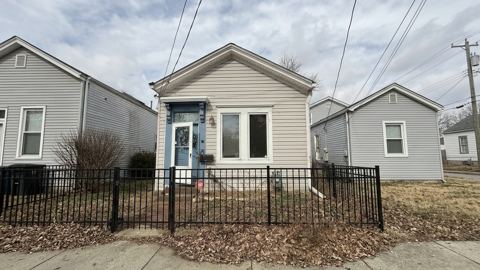

If you need to sell an inherited house in Kentucky, the property almost always has to pass through some form of probate before you can legally transfer title to a buyer. That process, plus the emotional weight of dealing with a family member's estate, can make what should be a simple sale feel overwhelming. This guide walks through how probate actually works in Jefferson County, when a faster small-estate process applies, what an executor is and isn't allowed to do, and how to handle a house with several heirs who don't agree.
How probate works in Jefferson County
When someone dies owning real estate in their name alone, that property typically becomes part of their probate estate. In Jefferson County, probate matters are handled by the Jefferson District Court, Probate Division. A will (if one exists) is filed, an executor or administrator is appointed by the court, and that person is issued letters testamentary or letters of administration, which are the legal documents proving they have authority to act on behalf of the estate.
Only after the executor is officially appointed can they list the property, sign a purchase agreement, or accept a cash offer. Title companies and closing attorneys will require a certified copy of those letters before closing. Probate in Kentucky commonly takes anywhere from a few months to over a year depending on whether the estate is contested, how many creditors need to be paid, and how backed up the court is.
When a small-estate affidavit or informal settlement applies
Not every estate needs full, formal probate. Kentucky allows a simplified process for smaller estates, and many families use an informal or "dispensing with administration" settlement when the estate is straightforward and heirs agree. Whether real estate can be transferred this way depends on the total value of the estate and how title was held. An attorney experienced in Kentucky probate can quickly tell you whether your situation qualifies for a shortcut or whether formal administration is required — this is a case-by-case legal determination, so consult an attorney rather than relying on general information.
What an executor can and cannot sell
An executor has a fiduciary duty to the estate and its beneficiaries, which means they generally can sell real property if the will grants that power or the court authorizes it, but they cannot simply sell it to themselves or a family member below market value without disclosure and approval. Key points:
- The executor typically needs either explicit authority in the will or a court order to sell real estate.
- Proceeds from the sale go into the estate to pay debts, taxes, and expenses before any distribution to heirs.
- Heirs are usually entitled to notice of a proposed sale and, in some cases, the right to object.
- Selling as-is to a cash buyer can simplify the executor's job because there's no repair negotiation or financing contingency to manage on behalf of the estate.
When multiple heirs disagree
It's common for a house to be left to two, three, or more siblings or relatives jointly. Disagreements are common: one heir wants to keep the house, another wants top dollar on the open market, another just wants cash and closure quickly. If heirs can't agree, a co-owner can, in some circumstances, petition the court for a partition action, which can force a sale — but that route is slow and expensive. In our experience, the fastest path to consensus is often a cash offer that lets everyone walk away with their share quickly, with no repairs to argue over and no months of showings. We can present one straightforward number that all heirs can review together, which tends to remove a lot of the friction.
"We had three siblings, a house that needed a new roof, and nobody wanted to spend money fixing up a place none of us were going to live in. Getting one cash offer we could all agree on took the fight out of it." — a common scenario we see with inherited properties across Louisville Metro
Stepped-up basis and taxes
One financial detail worth understanding: inherited property generally receives a "stepped-up basis," meaning the property's cost basis for tax purposes is adjusted to its fair market value at the date of death, rather than what the original owner paid decades ago. This can significantly reduce or eliminate capital gains tax if you sell shortly after inheriting, since there's often little gain between the date-of-death value and the sale price. That said, tax outcomes depend on your specific facts, so consult a CPA before assuming how a sale will be taxed.
Selling from out of state
Many heirs don't live near the inherited house. You can typically handle the entire sale remotely: the executor or an heir with power of attorney can sign documents electronically or via mail-away closing, a local property manager or family member can grant access for a walkthrough, and a title company can coordinate the closing without anyone flying to Kentucky. If you'd rather not manage upkeep, utilities, and insurance on a vacant inherited house from a distance, learn more about our how it works process, or see how we handle similar situations with vacant properties that sit empty during probate.
Weighing a cash sale against listing
A cash offer will typically come in below what a fully renovated house might fetch on the open market — that's the honest trade-off for speed, certainty, and not having to spend estate funds on repairs, cleaning, or months of carrying costs like taxes, insurance, and utilities. For many heirs juggling probate paperwork, a full-time job, and grief, that trade-off is worth it. If you want to compare the numbers side by side, our cash offer vs. listing breakdown walks through both paths in detail. You can also check our FAQ for common probate-sale questions.
Ready to talk through your inherited house?
Every estate is different, and we're happy to look at your specific situation — whether probate is already open, still pending, or you're not sure where to start. Call the Your Local Home Buyer Team at (502) 660-8782 for a no-obligation conversation and a fair cash offer within 24 hours.
Want a real number on your house?
Your Local Home Buyer, LLC buys houses as-is across Louisville and Southern Indiana. Get a no-obligation cash offer within 24 hours.