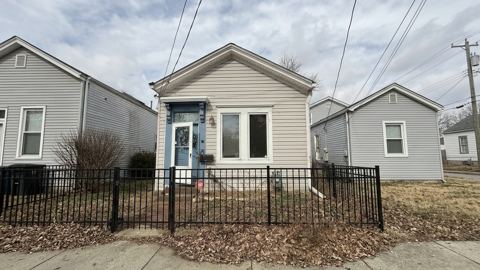

Figuring out how to sell a vacant house quickly isn't just about convenience — an empty property is quietly bleeding money and risk every single month it sits unoccupied. Between insurance complications, code violation exposure, and basic upkeep, vacancy has real costs that most owners underestimate until they add them up. Here's what an empty house actually costs, why your insurance may not even be covering you, and the fastest realistic paths to selling.
What a vacant property actually costs per month
Even with no one living in it, a vacant house generates a steady list of expenses:
- Property taxes, which keep accruing regardless of occupancy.
- Homeowners or vacant-property insurance premiums, often higher than an occupied-home policy.
- Utilities you still need running to prevent frozen pipes, mold from humidity, or a dark house that invites break-ins.
- Lawn care, snow removal, and general upkeep to avoid code violations.
- Mortgage payments, if there's still a loan on the property.
- Security measures — cameras, lighting, or a monitoring service — to deter squatters and vandalism.
Add it up and a vacant house can easily cost several hundred to over a thousand dollars a month with zero income coming in. Every month you wait to sell is another month of these carrying costs eating into your eventual proceeds.
Vacant-home insurance and why standard policies lapse
This is the detail that catches the most owners off guard. Standard homeowners insurance policies typically contain a vacancy clause that limits or completely voids coverage once a home sits empty for 30 to 60 consecutive days. That means if a pipe bursts, a fire starts, or someone breaks in during month three of vacancy, your regular policy may deny the claim entirely. Insurers consider vacant homes higher risk for vandalism, theft, fire (no one to notice or call it in), and undetected maintenance failures like water leaks.
If you know a house will sit empty for more than a month or two — say, during probate, after an owner moves for a job, or while a rehab drags on — you generally need a separate vacant-home insurance policy, which costs more than standard coverage and often has narrower terms. Confirm your specific policy language with your insurance agent, since vacancy clauses and grace periods vary by carrier.
Code violation and squatter risk
An unattended house draws attention. Overgrown grass, mail piling up, or a broken window can trigger a code enforcement complaint from a neighbor or the city, resulting in fines that accumulate the longer the issue goes unaddressed. In more serious cases, vacant homes are targets for squatters, who can be difficult and slow to remove once they've established residency, potentially requiring a formal eviction process even though they were never legitimate tenants. Both risks grow the longer a house sits empty and unmonitored.
Winterizing a vacant house
If a house will be empty through cold months, winterizing prevents the single most common and expensive vacant-house disaster: frozen and burst pipes. Basic steps include shutting off the main water supply, draining pipes and the water heater, adding antifreeze to toilet bowls and drain traps, and keeping minimal heat running (or having the system professionally winterized) if you're not going to maintain utilities at all. Skipping this step for even one hard freeze can result in thousands of dollars in water damage discovered weeks later.
Staging vs. leaving it empty
Conventional wisdom says staged homes sell faster and for more money, since buyers struggle to visualize furniture placement and scale in an empty room. That's often true for a move-in-ready home in a competitive retail listing. But staging costs money and time — typically requiring the home to already be in good repair and clean, which isn't realistic for every vacant property, especially one inherited, damaged, or in need of significant work. For a vacant house that needs repairs anyway, staging usually isn't worth the investment; the smarter move is often selling as-is rather than sinking more money into a house you're trying to exit.
"The house had been empty for five months after my dad moved to assisted living. Between the insurance company threatening to cancel coverage and a code complaint about the yard, I just wanted it gone. Selling as-is for cash solved both problems in about a week." — a common vacant-house scenario we hear from sellers
The fastest paths to sell a vacant house
There are a few realistic routes for how to sell a vacant house:
- List with an agent — potentially higher sale price, but you'll likely need to invest in repairs, cleaning, and staging first, plus carry the property through a 30-90+ day listing and closing timeline while covering ongoing vacancy costs.
- Sell as-is to a cash buyer — a lower offer than fully-prepped retail price, but no repairs, no showings, no staging, and a close in as little as 7-10 days that stops the monthly bleeding immediately.
- Rent it out first — solves the vacancy problem but turns you into a landlord, which isn't for everyone, especially if your goal is to be done with the property. If you go this route and later decide to sell, see our guide on selling a rental with tenants.
For most owners of a vacant house that needs work, the math favors selling quickly: the longer it sits, the more insurance premiums, taxes, utilities, and risk stack up against whatever extra you might net from a slower retail sale. You can compare the full financial picture in our cash offer vs. listing comparison, and see our as-is selling guide for more detail on what "as-is" really means at closing.
Stop the vacancy costs today
We buy vacant houses across Louisville, Southern Indiana, and surrounding counties as-is, with no repairs, no staging, and no cleaning required. Call the Your Local Home Buyer Team at (502) 660-8782 for a fair cash offer within 24 hours and a closing date that works for you.
Want a real number on your house?
Your Local Home Buyer, LLC buys houses as-is across Louisville and Southern Indiana. Get a no-obligation cash offer within 24 hours.